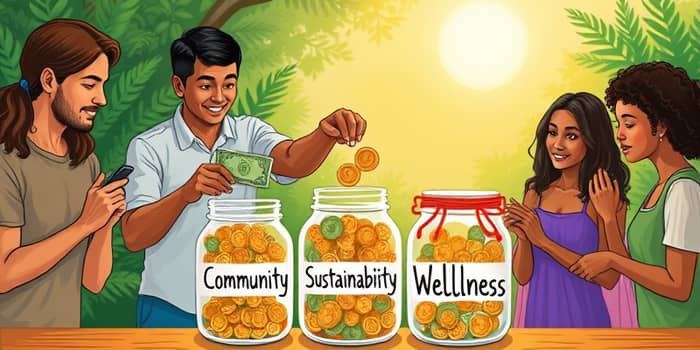
In an age where every purchase is a statement, the modern consumer seeks more than products—they seek purpose. This article guides you on a transformative journey of spending with intention, aligning every dollar with your deepest values.
Purpose-driven spending is not a trend; it’s a shift in how we relate to commerce, community, and the planet. As consumers demand transparency and authenticity, brands and individuals alike are redefining value beyond price tags.
A soulful spender aligns expenditure with purpose, viewing each transaction as an opportunity to make a positive impact. Instead of mindless consumption, they ask: Does this purchase reflect my values? Does it support causes I care about?
At the heart of this mindset is the belief that money carries meaning. Whether supporting fair trade artisans, reducing environmental footprints, or contributing to social initiatives, the soulful spender seeks meaningful, value-driven exchanges.
Recent studies reveal seismic shifts in consumer behavior. A remarkable 87% of consumers would buy from companies advocating issues they care about, and 60% favor socially responsible brands. Purpose-driven brands report annual growth rates triple those of competitors.
Key trends include:
Purpose isn’t just altruism; it’s profitable. Brands perceived as making the world better outperform stock market averages by 134%. Consumers exhibit 1.4 times higher purchase intent when they view a brand as purposeful.
Investors recognize this too. Purpose-oriented companies attract resilient, long-term backing. As supply chains and product development increasingly integrate ethical practices, the business landscape evolves to reward transparency and authenticity.
Understanding the values that drive spending equips you to make conscious choices. The top priorities include:
Different generations bring unique perspectives to purposeful spending. Understanding these nuances can inspire fresh approaches to your own habits.
Millennials, fueled by social consciousness, often choose experiences over products—61% prioritize adventures and memories. Gen Z, with a spending power projected at $12 trillion by 2030, juggles trend-driven splurges with sustainability concerns. Boomers still value quality and legacy, but their influence will be surpassed as younger consumers shape the market.
Transforming your spending begins with reflection and strategy. Follow these steps to ensure every purchase aligns with your purpose:
Not all purpose claims are equal. To discern genuine impact from marketing spin, consider:
Purposeful spending doesn’t mean overextending. Balance your aspirations with fiscal responsibility:
As digital platforms evolve, seamless payment solutions and immersive brand experiences will shape how we engage with purpose-driven commerce. Technology will enable deeper transparency—blockchain tracking of supply chains, virtual reality tours of production facilities, and real-time impact dashboards.
The next frontier lies in communal engagement: co-creating products, investing in local projects, and crowdsourcing solutions to global challenges. By spending with intention, you become a stakeholder in a more equitable, sustainable economy.
Embrace your role as a soulful spender. Every time you choose a purpose-driven brand or invest in an experience, you signal to the market—and to yourself—that values matter. In doing so, you cultivate deeper satisfaction, foster community resilience, and propel businesses toward positive change.
Your dollars are powerful. Make each one count.
References